

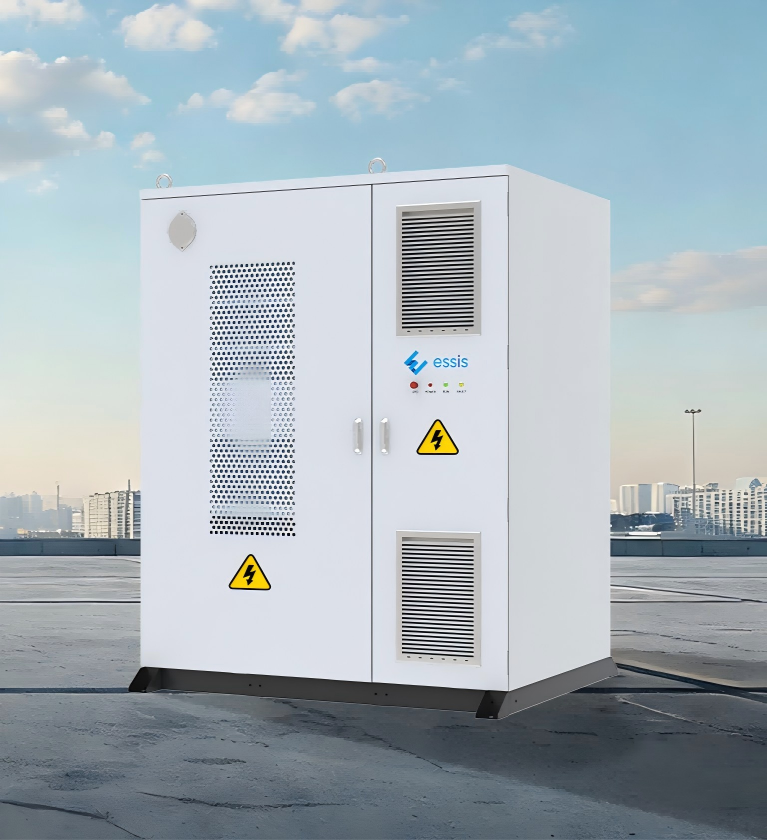




South America 96KWh
-

 Project
ESS 96kWh
-
 Address
South America
-
 Date
Date2026
-
 Application
PV Consumption+Storage
ESSIS provides intelligent energy management solutions for a restaurant in South America.
Project Background
The project is located in the central business district of a city in South America, serving a medium-sized restaurant with a daily operating period of more than 12 hours. The restaurant has a high power load, mainly including refrigeration and freezing equipment, central air conditioning systems, kitchen appliances, and lighting systems. The local power grid is unstable with obvious electricity price fluctuations, and the risk of power outages as well as peak electricity costs impose significant pressure on the restaurant's operations. In actual operation, the customer faces two core problems:
•Unstable power grid: The local power grid suffers from voltage fluctuations and sudden power outages, causing interruptions to refrigeration equipment, posing a risk of food spoilage, and disrupting normal restaurant business;
•High electricity costs: The restaurant's peak business hours (lunch and dinner periods) coincide with peak electricity prices, resulting in a high proportion of electricity costs in operating expenses.
In response to the above issues, the customer intends to introduce an energy storage system to achieve the dual goals of stable power supply and optimized electricity costs.
System Configuration
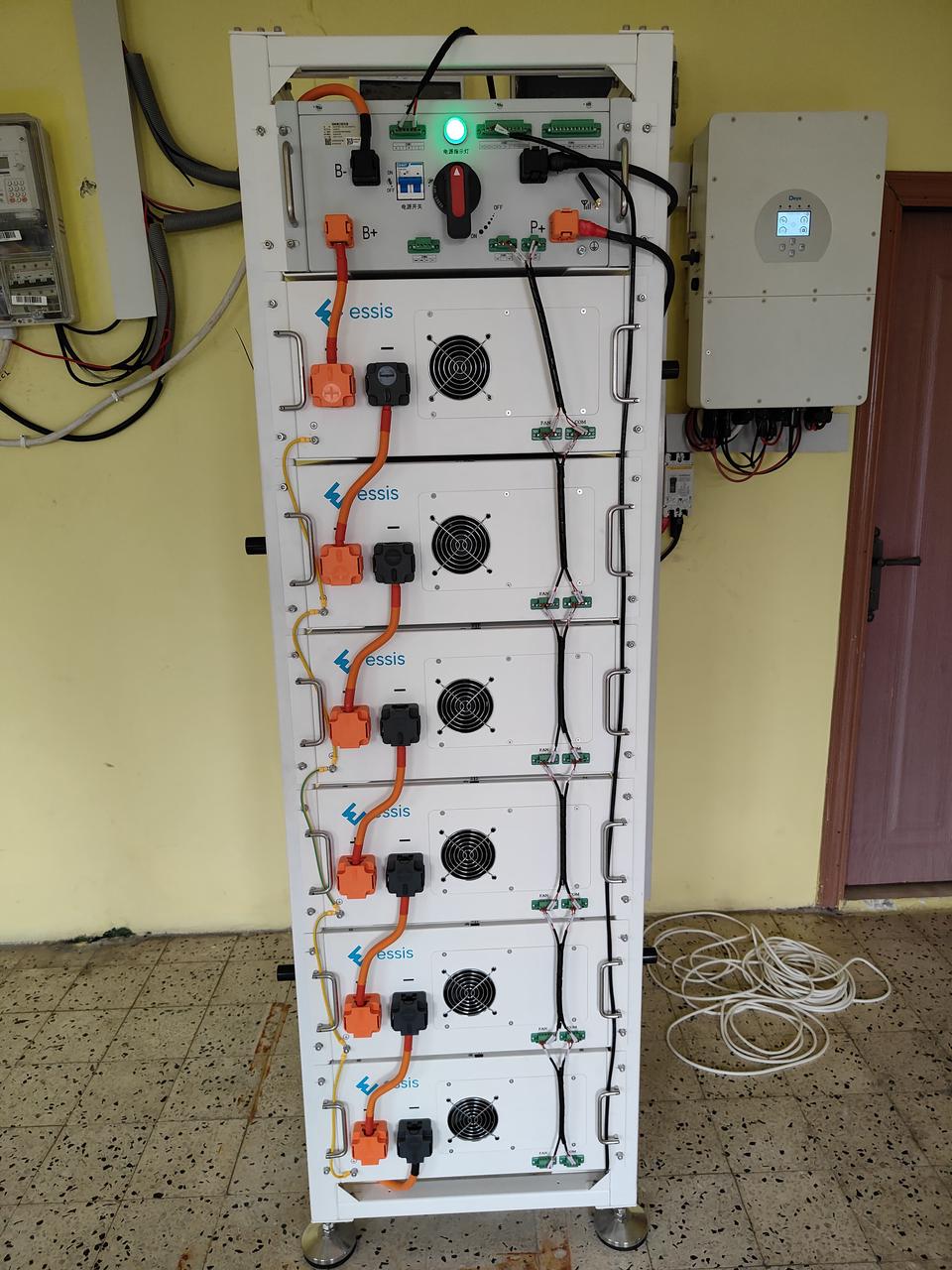
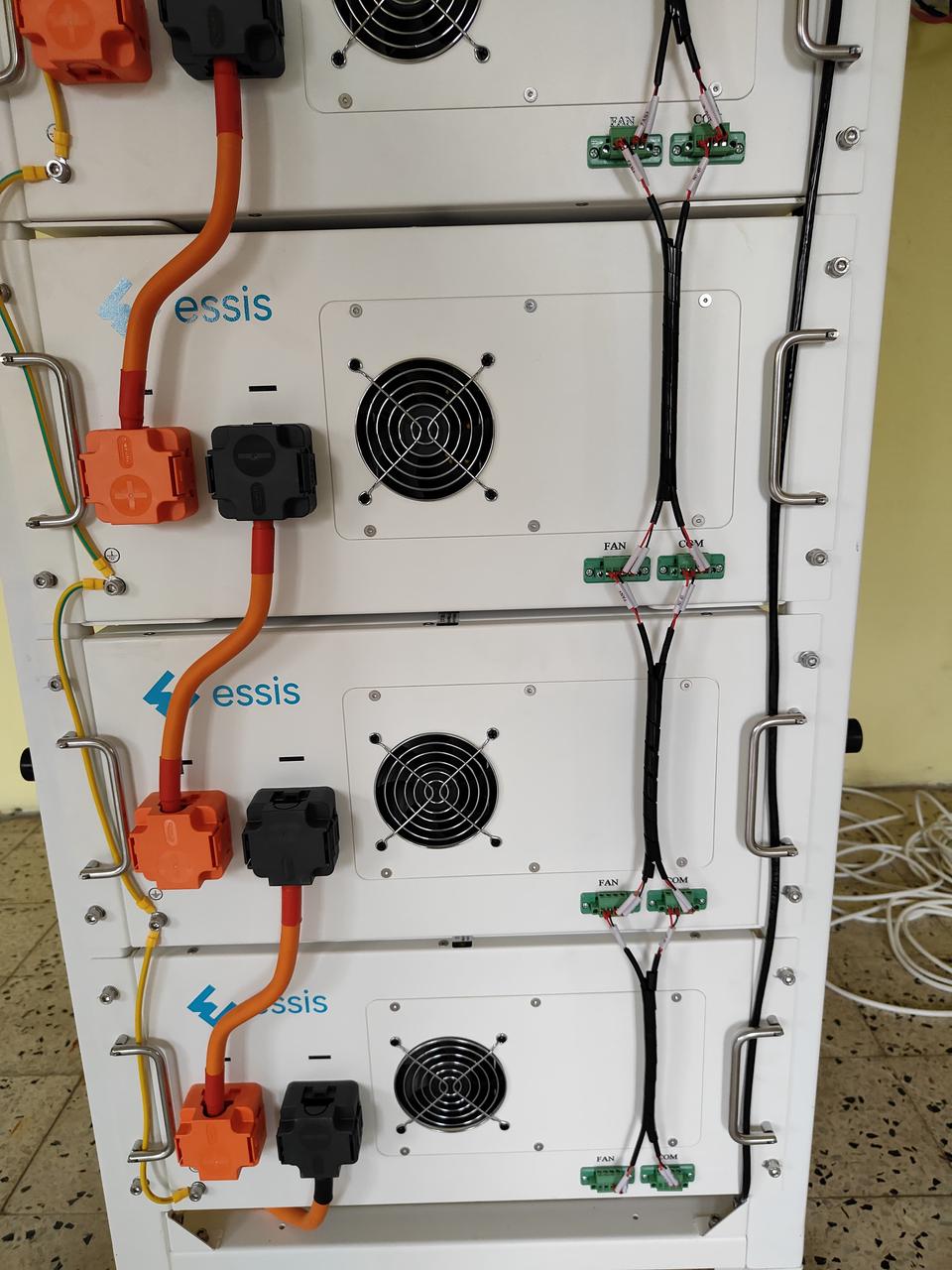
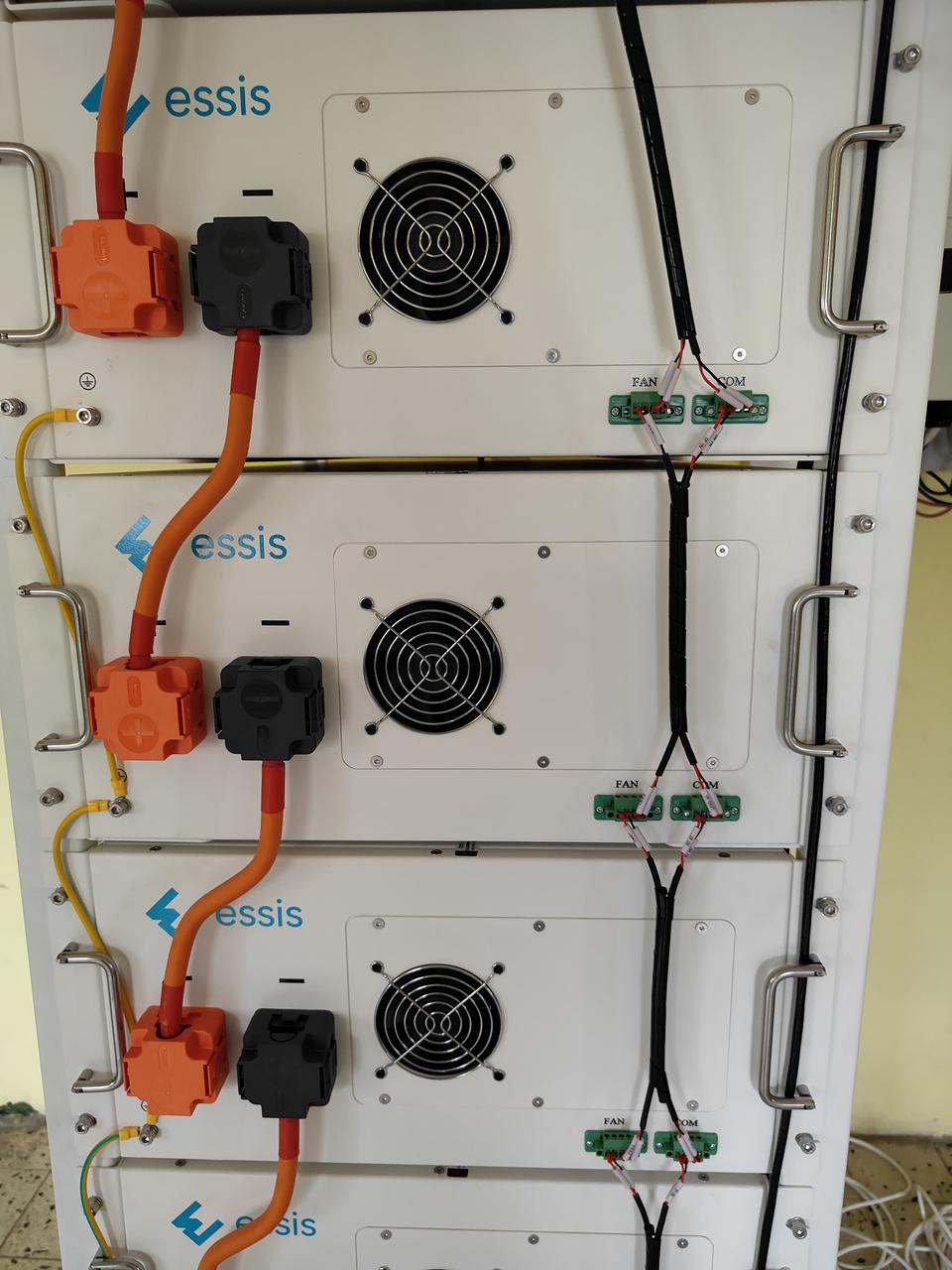
In view of the restaurant's power consumption structure and operational characteristics, ESSIS has designed and deployed a high-voltage energy storage system for it:
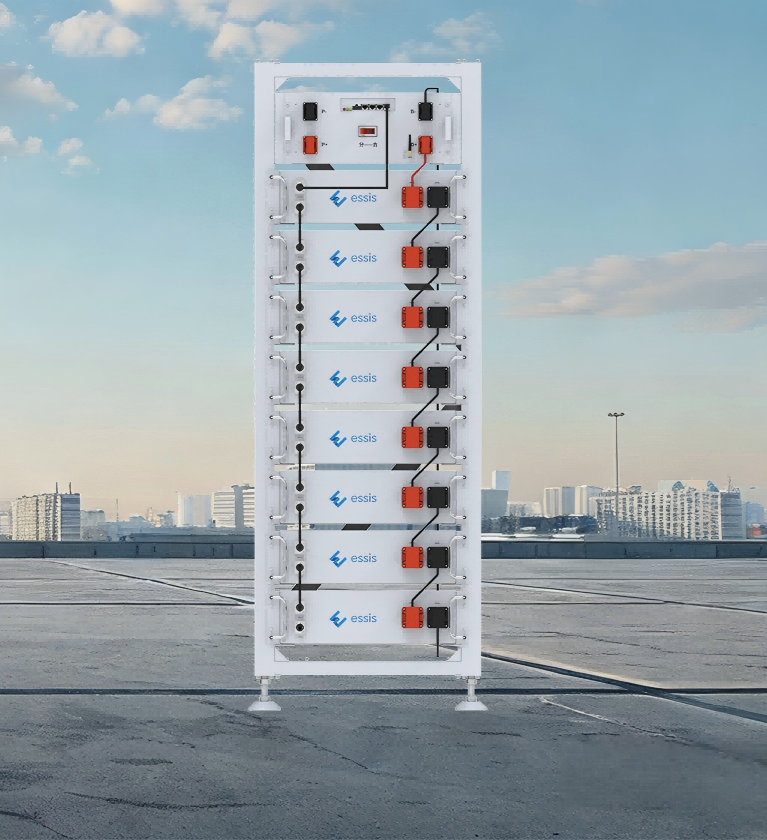
Energy storage system capacity: 96kWh
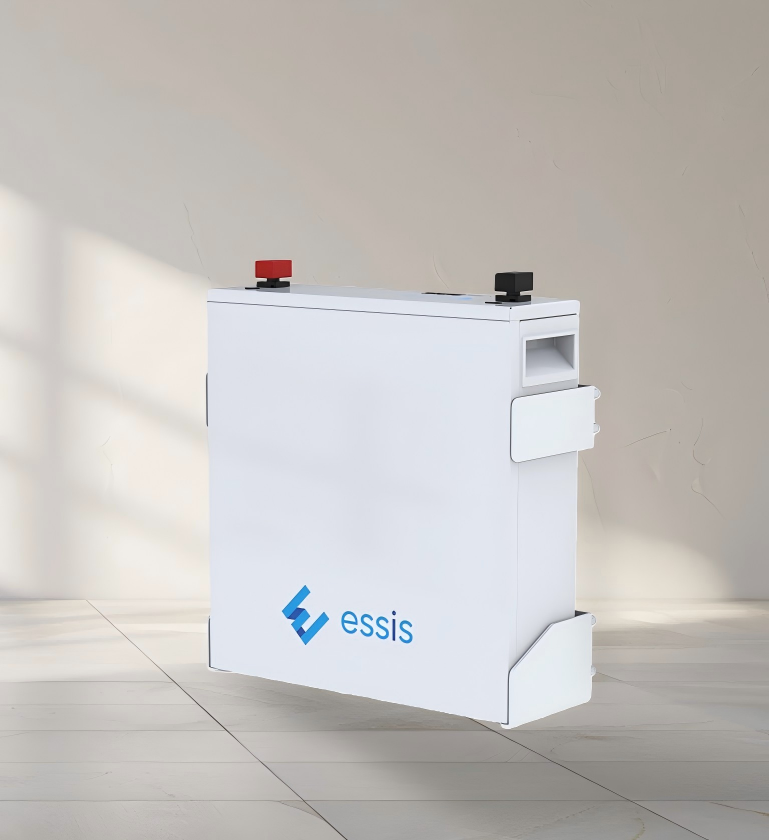
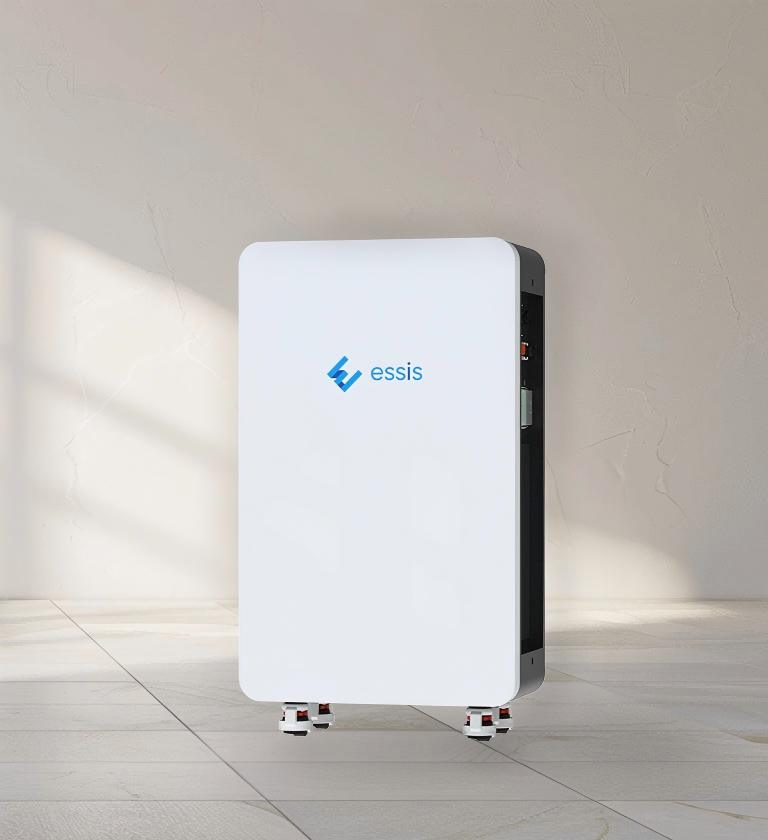
Battery configuration: 4 × 16kWh high-voltage battery modules + 1 × high-voltage control box (HV Box)
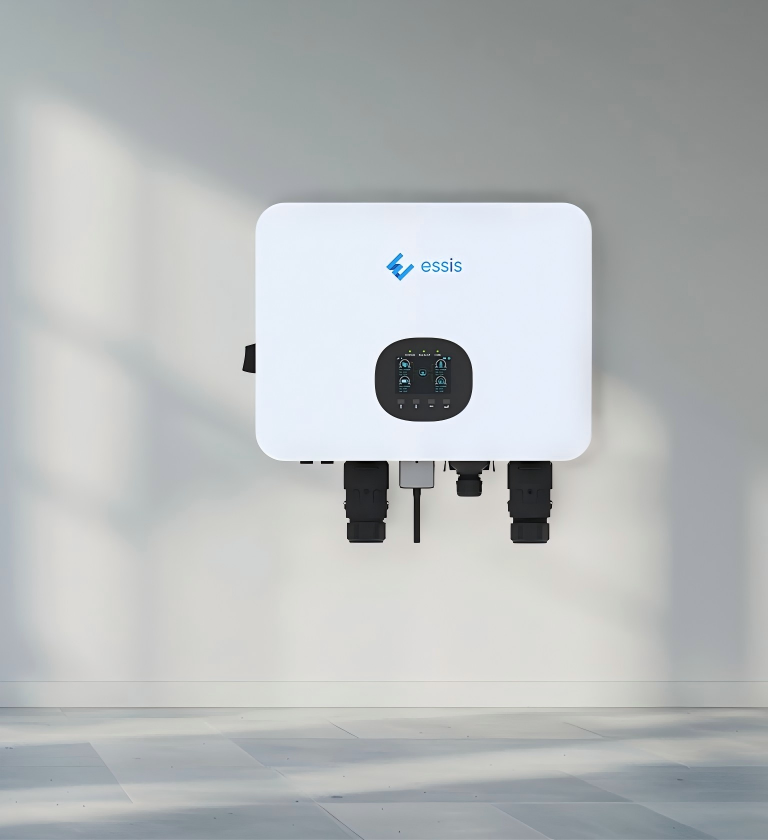
Inverter configuration: 20kW Deye
Customer Value
By deploying a 96kWh high-voltage energy storage system, ESSIS has built an integrated energy management solution for the restaurant featuring stable power supply, cost optimization, and intelligent scheduling.
This project not only effectively mitigates operational risks caused by grid instability but also helps the customer achieve controllable and optimized electricity costs, providing a valuable practical case for energy storage applications in the catering industry in South America.