



Suzhou 186kWh
-

 Project
186 kWh (liquid-cooled)
-
 Address
China
-
 Date
Date2025
-
 Application
BP + DE
Suzhou Plastics Factory — ESSIS Integrated Energy Storage + PV Project
Project Background
The plastic products factory in Suzhou has high and fluctuating load demands due to production shifts. Meanwhile, the factory aims to reduce electricity costs, minimize dependence on the grid, and improve energy self-sufficiency. With rising electricity tariffs and increasing pressure for carbon reduction, the factory sought a comprehensive energy solution combining storage and solar generation.
Project Introduction
To meet the factory’s needs, ESSIS designed and installed an integrated energy system consisting of:
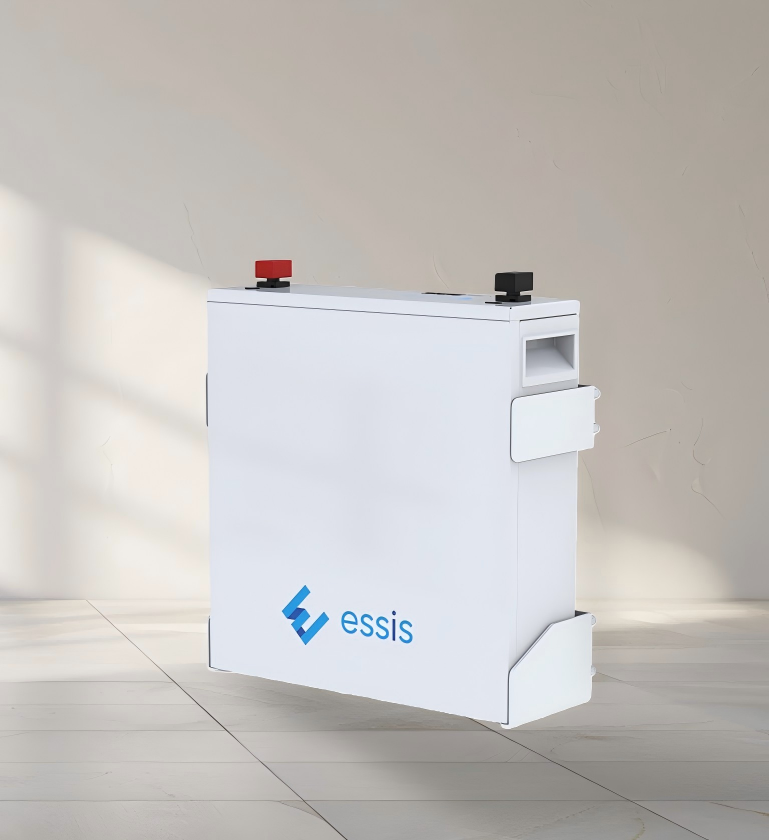
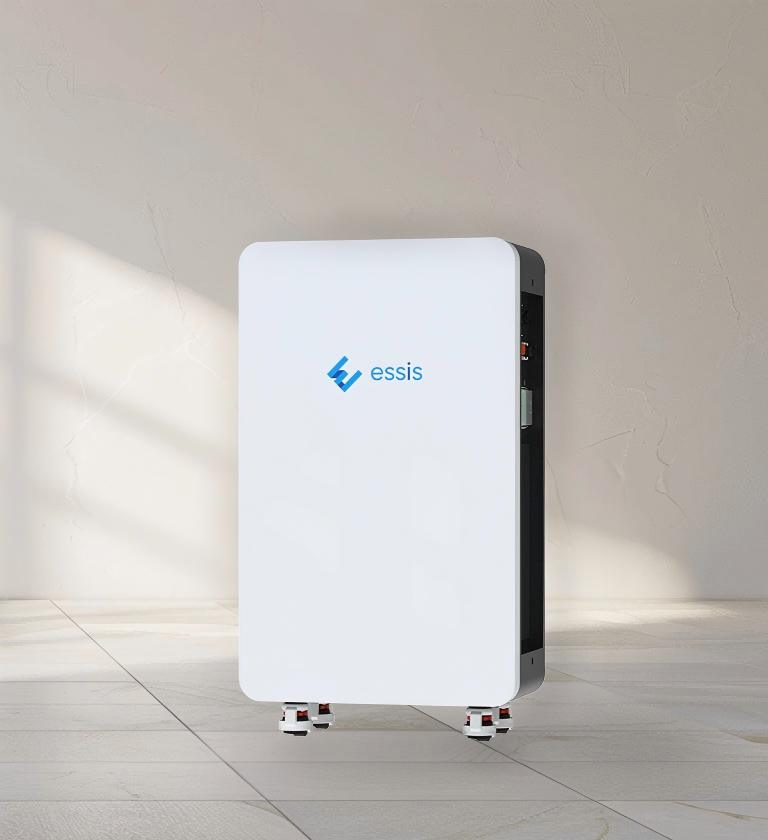
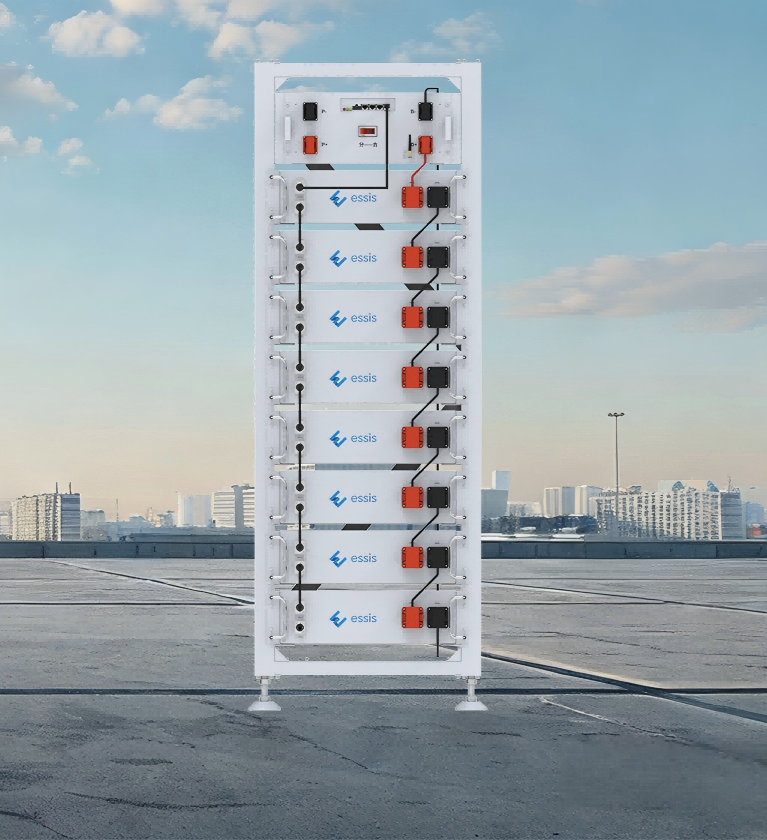
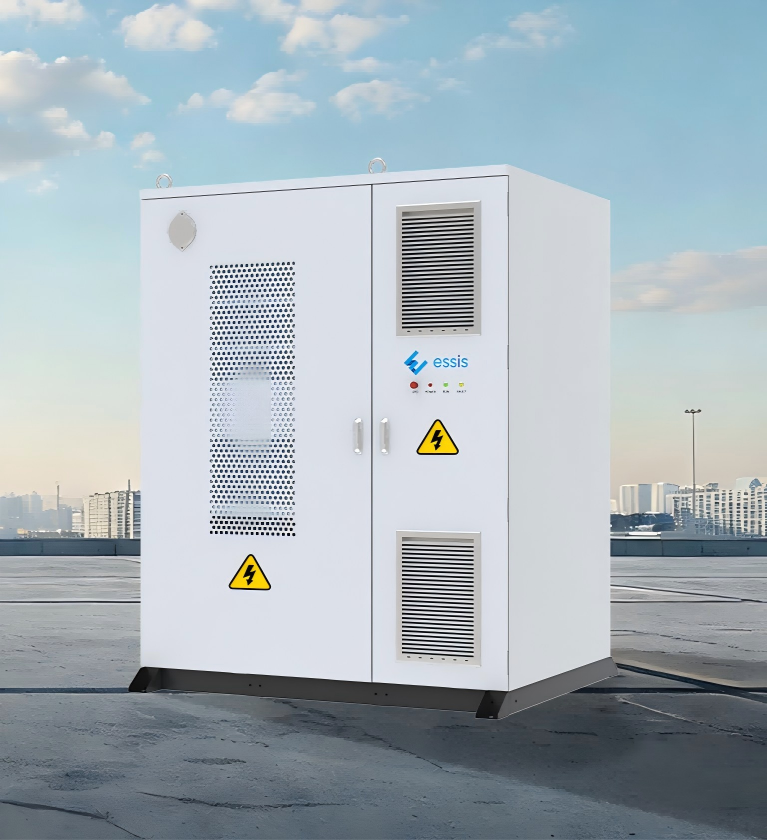
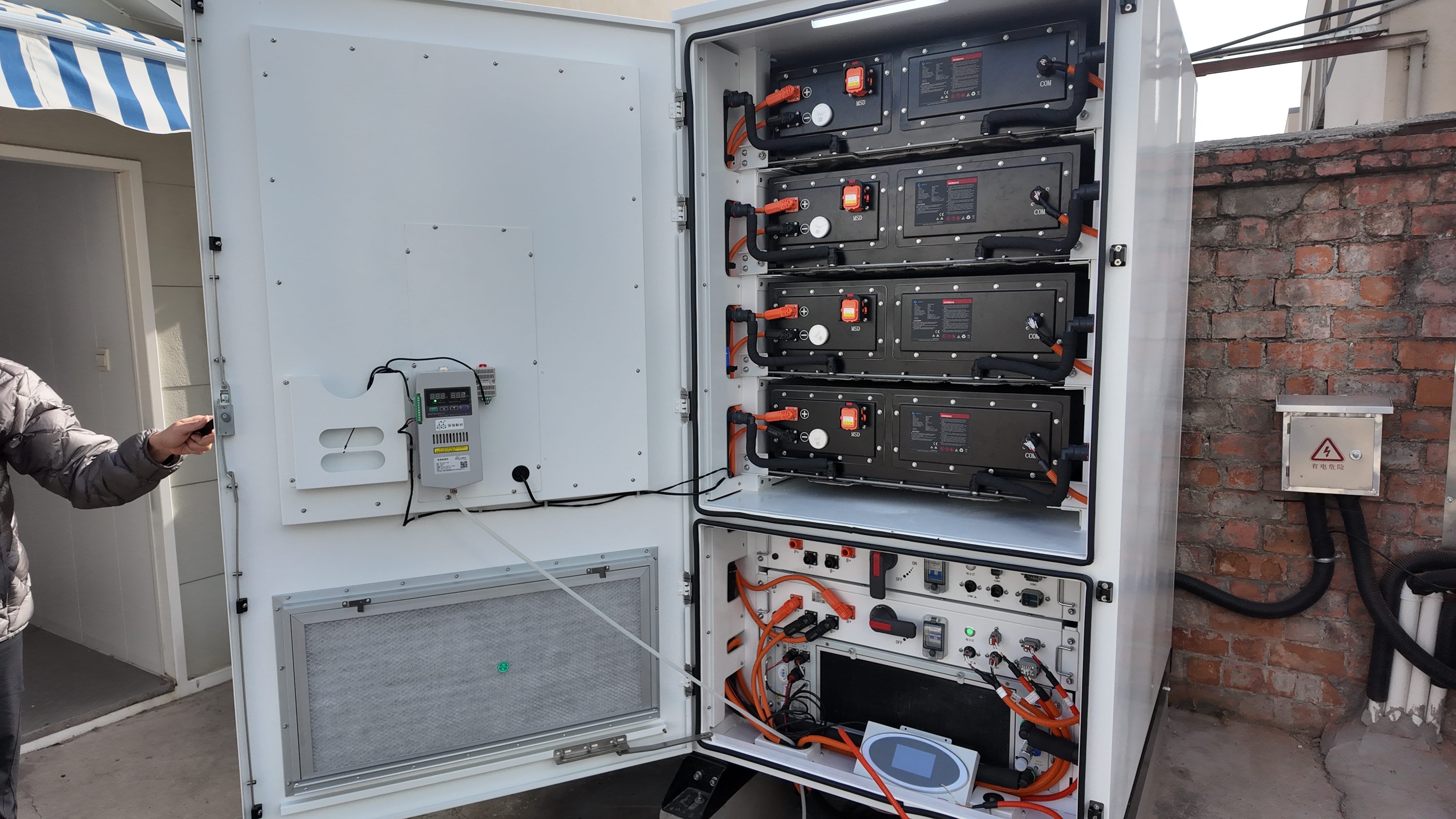
A 186 kWh liquid-cooled battery cabinet to store energy efficiently and reliably.
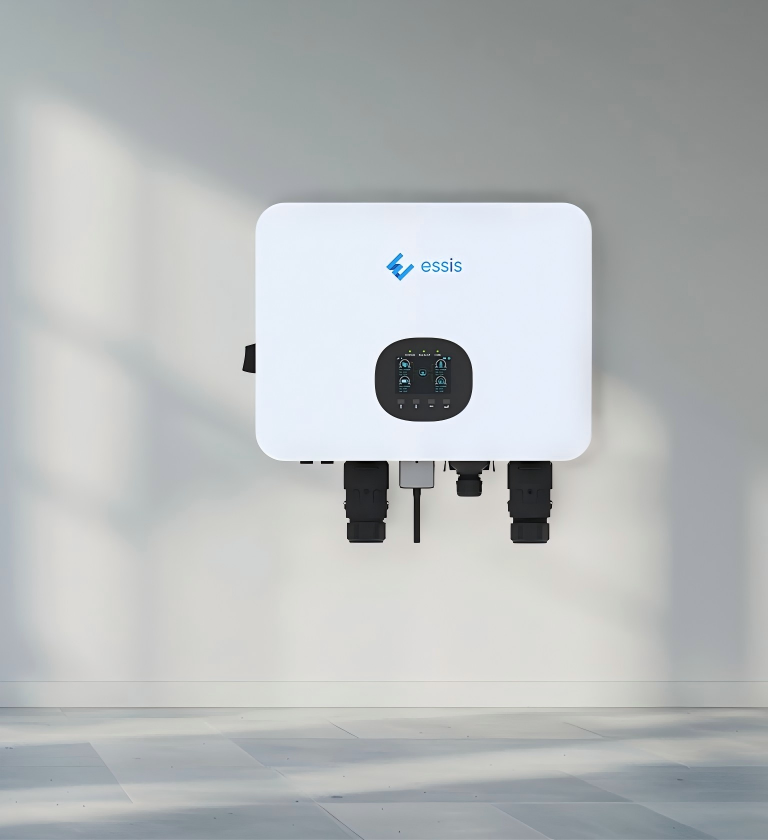
A 50 kW hybrid inverter to manage power conversion and enable seamless switching between grid-tied and self-powered operation.
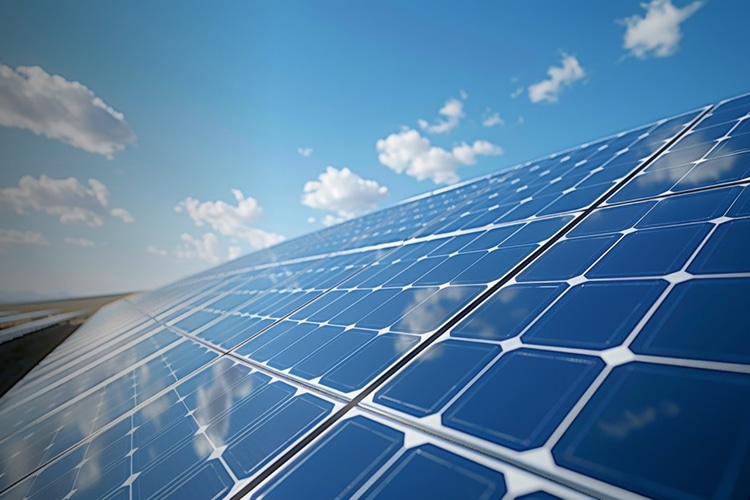
A 50 kW rooftop solar photovoltaic (PV) array to harvest clean energy during daytime.
This PV + ESS hybrid system enables the factory to store excess solar energy during off-peak hours or idle periods, and discharge it during production peaks or grid-demand periods — optimizing energy flow and cost.
The system is configured in AC-coupling mode (or hybrid inverter coupling), integrating PV generation, battery storage, inverter output, and load demand within a unified energy management framework.
Project Value
Liquid-cooled battery cabinet — ensures stable performance under high–load, high-temperature industrial conditions; prolongs battery lifecycle and maintains efficiency under continuous operation.
Hybrid inverter (50 kW) — supports flexible switching between on-grid and off-grid modes, enabling uninterrupted power supply even during grid instability or outages.
Integrated PV + ESS + Inverter design — simplified system architecture reduces installation footprint and complexity, lowers overall project cost, and improves system reliability.
Project Benefits
With this ESSIS solution, the customer (Suzhou plastics factory) enjoys multiple advantages:
Peak-valley time arbitrage & cost reduction — store energy when electricity tariffs are low or when solar generation is abundant; use stored energy during peak times to reduce grid electricity costs.
Load stabilization & production reliability — buffer load fluctuations, reducing risk of grid overload or power interruptions, leading to smoother, more stable production schedules.
Scalability & future-readiness — the modular design and hybrid architecture leave room for future expansion of storage capacity or PV capacity as needed.
Why ESSIS
ESSIS provides a turnkey, all-in-one solution tailored for industrial users — combining high-performance liquid-cooled battery cabinets, hybrid inverters, PV integration, and potential energy management systems into a cohesive package. This Suzhou project showcases ESSIS’s capability to deliver safe, efficient, and sustainable energy solutions for manufacturing facilities — helping factories transition toward “smart, green, and stable” energy operations.