


What is a hybrid energy storage system?
Company Dynamic
January 19, 2026


Introduction
As energy costs continue to fluctuate and challenges related to grid stability intensify, traditional grid-tied photovoltaic systems are increasingly unable to meet users’ dual requirements for power reliability and cost optimization. Hybrid Energy Storage Systems (HESS), which deeply integrate photovoltaic generation with energy storage, are becoming an important solution for both residential and commercial & industrial users seeking enhanced energy self-management capabilities.
This article introduces the operating principles and core components of hybrid energy storage systems, and, combined with ESSIS’s practical experience and products in the PV and energy storage field, provides users with a more practical and referential technical overview.
Basic Concept of Hybrid Energy Storage Systems
A Hybrid Energy Storage System (HESS) is an integrated energy solution that combines photovoltaic generation, energy storage batteries, and the public grid under unified management. Through hybrid inverters and energy management systems (EMS), the system enables coordinated conversion and efficient utilization of multiple power sources.
The system automatically balances power generation, consumption, and storage, improving renewable energy utilization while enhancing energy stability and flexibility under different operating conditions. To better understand how a hybrid energy storage system achieves these functions, it is necessary to examine the roles and coordination of its three core components: photovoltaic modules, hybrid energy storage inverters, and energy storage batteries.
Core Components
1.
Photovoltaic Modules: The Core Power Generation Unit Converting Solar Energy into DC Electricity
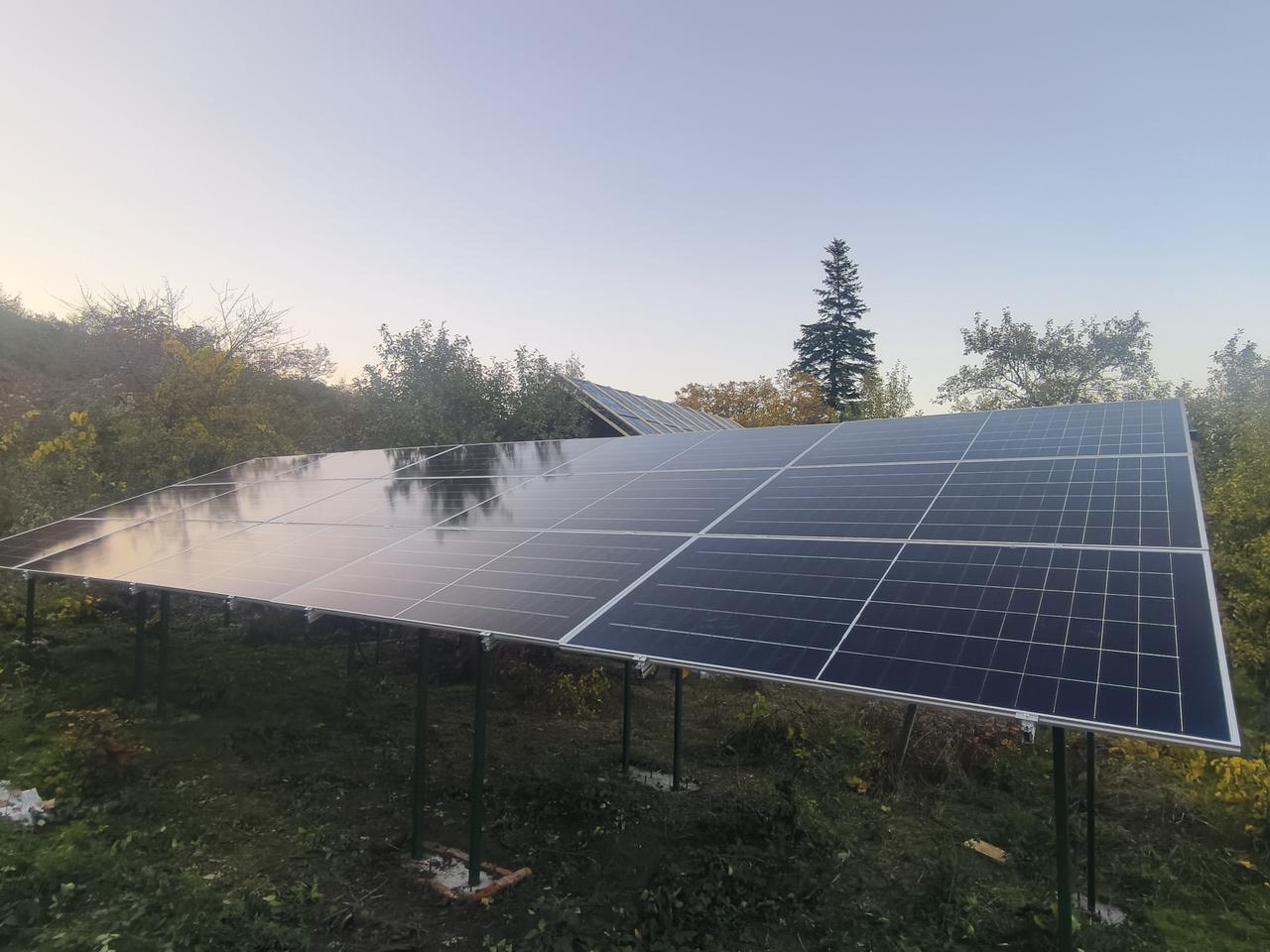
Photovoltaic modules consist of silicon-based solar cells, glass covers, back sheets, and aluminum frames, enabling continuous DC power output under sunlight. Their operation is based on the photovoltaic effect, whereby photons striking the solar cells induce electron movement and generate electric current.
Within a hybrid energy storage system, photovoltaic modules serve as the primary energy input, determining the available solar energy capacity and acting as the main power source for daytime load supply and battery charging. Module power rating, efficiency, installation angle, and orientation directly affect the system’s overall energy yield.
2.
Hybrid Energy Storage Inverter: The Core of Energy Conversion and Dispatch
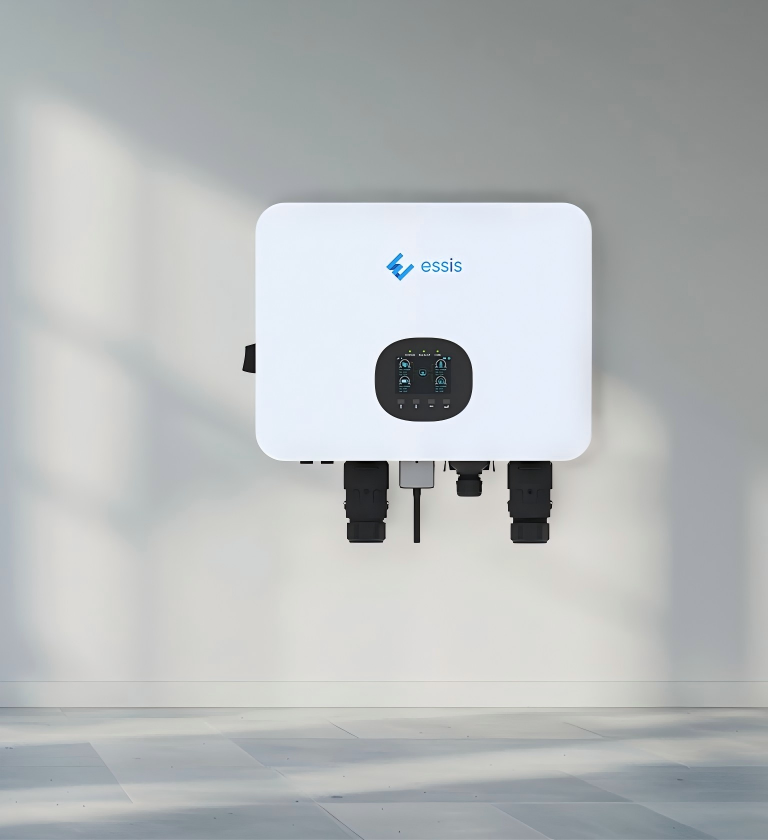
Hybrid energy storage inverter is the central device within a hybrid energy storage system, responsible for energy conversion and intelligent dispatch among photovoltaic generation, batteries, loads, and the grid (or diesel generators). It integrates PV-side MPPT, bidirectional battery charging and discharging, and AC-side power control functions, automatically allocating energy flow based on real-time operating conditions.
During system operation, the hybrid inverter not only performs DC–AC conversion but also establishes a stable AC bus to ensure continuous load supply. When photovoltaic generation is sufficient, it prioritizes supplying loads and charging the battery. When solar power is insufficient or during nighttime operation, the inverter controls battery discharge to support loads and, when necessary, switches to or introduces external power sources. The inverter’s power rating and control performance directly determine system stability and applicable use cases.
3.
Energy Storage Batteries: Electrochemical Units for Energy Storage, Discharge, and Load Balancing
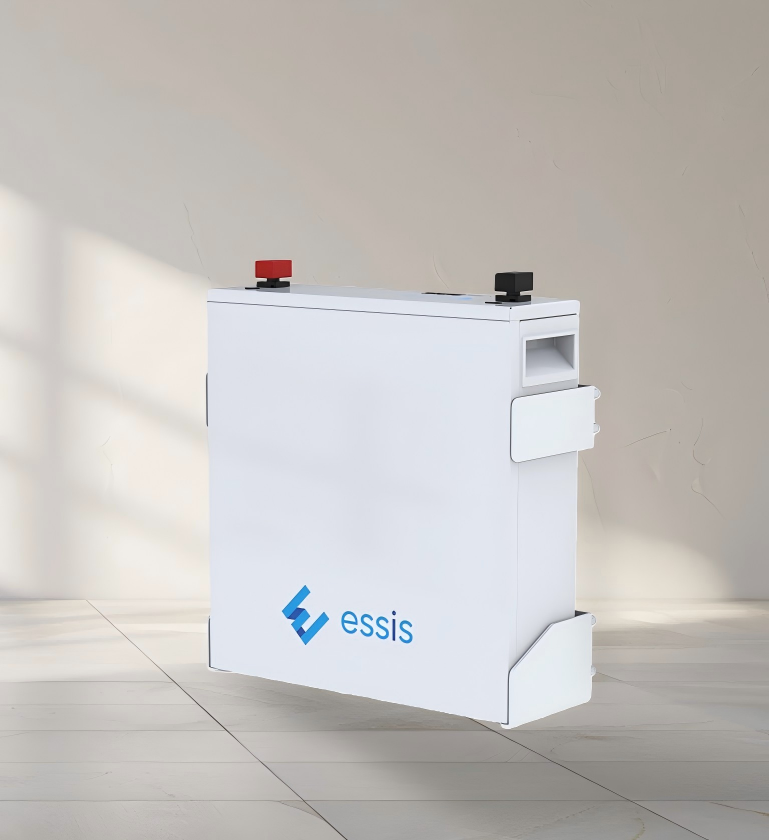
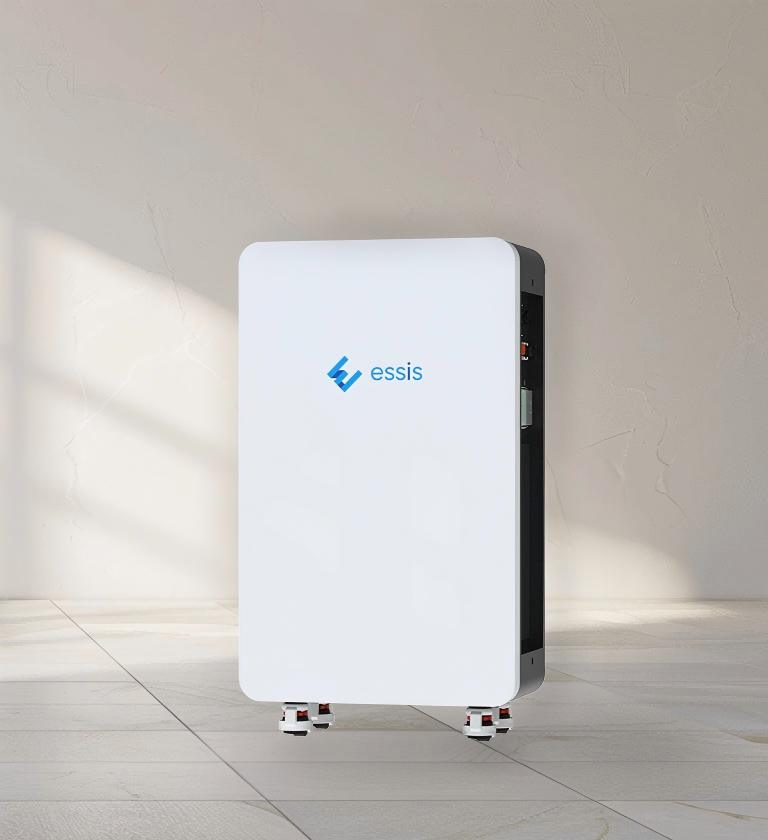
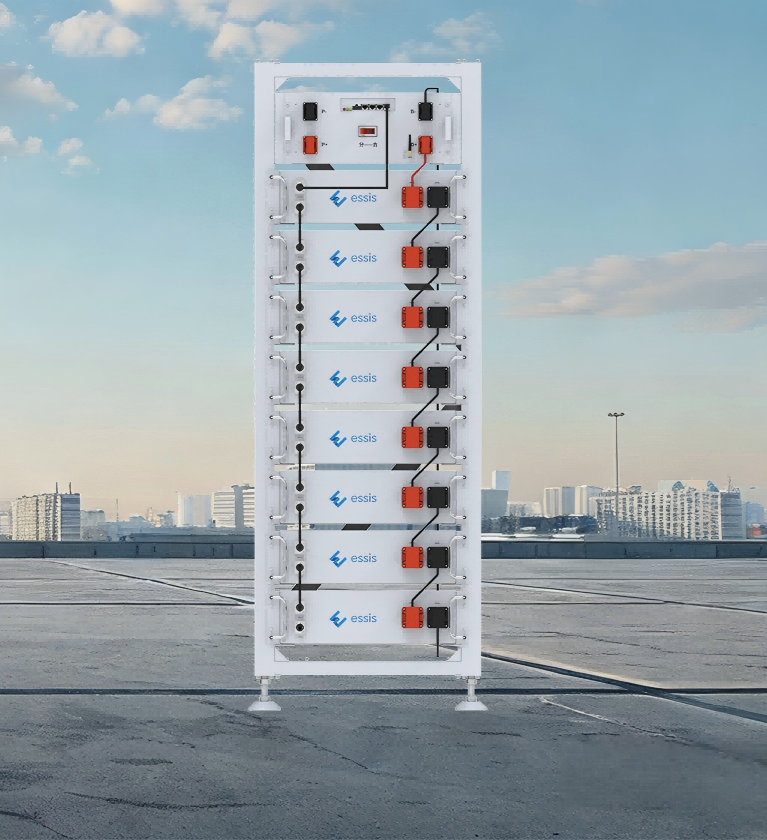
Lithium iron phosphate (LFP) batteries are among the most commonly used energy storage technologies today. Due to their high energy density, long cycle life, and excellent safety performance, they are widely applied in residential and commercial systems. Through electrochemical reactions, batteries store and release electrical energy, providing nighttime supply, peak tariff support, and backup power during outages.
Key battery parameters include energy capacity (kWh), nominal capacity (Ah), cycle life, and safety performance. Within a hybrid energy storage system, batteries not only perform basic charge–discharge functions but also buffer grid fluctuations, deliver smoother power output to loads, and significantly improve self-consumption rates and energy independence.
How Hybrid Energy Storage Systems Work Together
Hybrid energy storage systems integrate photovoltaic generation, batteries, loads, and external power sources into an energy conversion and control architecture centered on the hybrid inverter, enabling coordinated multi-energy operation. A stable AC bus serves as the system core, establishing clear and controllable power flow paths among different energy sources.
During operation, photovoltaic generation is prioritized as the primary energy source. When PV output meets load demand, solar power supplies the loads directly, while surplus energy is managed by the inverter’s energy control logic and used to charge the battery safely and efficiently, improving overall energy utilization.
When photovoltaic generation is insufficient or unavailable, the hybrid inverter automatically switches to battery supply based on battery status and load demand, maintaining continuous and stable power delivery.
Under high-load conditions, energy shortages, or special operating scenarios, the system can connect backup power sources under the control of the hybrid inverter as supplementary AC-side supply, ensuring stable voltage and frequency and safeguarding reliable equipment operation.
Through this inverter-centered coordination strategy, hybrid energy storage systems achieve efficient multi-energy collaboration, maintaining stable, flexible, and reliable power supply across diverse operating scenarios.
Advantages of Hybrid Energy Storage Systems
1.Improved Energy Utilization Efficiency
By unified management of photovoltaic generation, battery storage, and electrical loads, hybrid energy storage systems prioritize local renewable energy consumption and reduce reliance on the public grid. Excess energy can be effectively stored and released at appropriate times, increasing overall energy utilization efficiency.
2.Reduced Long-Term Energy Costs
By increasing solar self-consumption and reducing grid electricity usage during high-tariff periods, hybrid energy storage systems help lower total energy costs. At the same time, energy storage provides buffering against electricity price fluctuations and changes in energy consumption patterns.
3.Flexible System Expansion and Upgrading
Hybrid energy storage systems typically adopt modular designs, allowing flexible expansion of photovoltaic capacity or storage size in response to changing energy demands. As future technologies and application requirements evolve, the system maintains strong scalability and long-term value.
4.Enhanced Power Stability and Continuity
During grid instability or outages, hybrid energy storage systems can rapidly switch to battery-powered operation to ensure continuous supply for critical loads. Through dynamic power regulation, the system mitigates the impact of load variations on power quality, improving supply stability and reliability.
5.Adaptability to Diverse Energy Use Scenarios
Hybrid energy storage systems support both grid-connected and off-grid operating modes, allowing flexible transitions based on actual energy conditions. Whether for daily self-consumption or emergency power supply in unstable grid environments, the system maintains reliable operation to meet diverse energy requirements.
Simple Case Study
In a typical residential hybrid energy storage application, a household deployed a complete hybrid energy storage system integrating photovoltaic generation, battery storage, and a hybrid inverter, using an ESSIS hybrid inverter (SUN-10K) and Powerbox 5.1 battery as a reference solution. The system was designed to maximize solar self-consumption while maintaining stable power supply during grid fluctuations or outages.
Conclusion
Hybrid energy storage systems integrate photovoltaic generation, energy storage batteries, and external power sources into a unified energy platform, enabling efficient coordination and stable operation among multiple energy sources. With flexible energy conversion and control mechanisms, these systems support a wide range of applications from residential use to commercial and industrial energy storage, accommodating different scales and levels of complexity.
Whether used to increase renewable energy utilization, reduce dependence on the grid, enhance power continuity, or improve energy flexibility, hybrid energy storage solutions provide a reliable foundation for diverse loads and evolving energy environments. As energy systems continue to shift toward distributed and high-efficiency architectures, hybrid energy storage frameworks are becoming a key component in building stable, flexible, and future-ready modern energy systems.
Explore ESSIS Hybrid Energy Storage Solutions!